
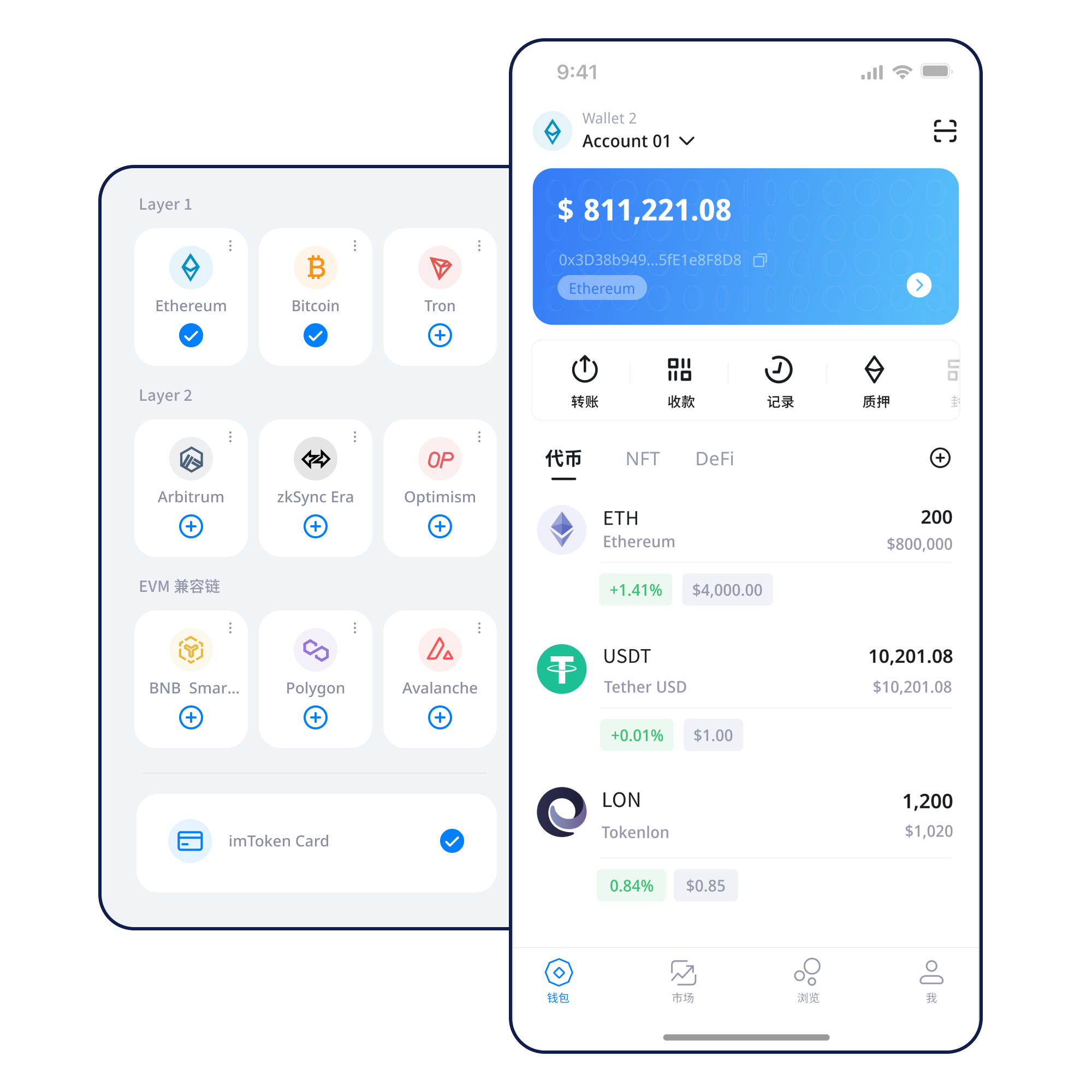
Viewing assets on mobile
Practical checks for viewing assets on mobile
Before acting on “Viewing assets on mobile”, identify the active network, the account in use and the purpose of the request, then review network switching, asset lists, token contracts, balances. This separates interface wording from facts that can be checked independently.
The network determines which ledger receives the transaction, which native asset pays fees, and which explorer can verify the result. For viewing assets on mobile within imtoken App, A normal troubleshooting flow should not require a seed phrase, private key or verification code. Public addresses, network names, transaction hashes and public contract data are usually enough to diagnose chain-state questions. A smart-contract address, network and method identify the real interaction target; a project name alone is not a reliable substitute.
A product page should connect a capability to its operational consequences rather than list features in isolation. Because this section focuses on viewing assets on mobile, verification should return to the concrete objects named above. Afterward, keep the public record needed for verification and review any connection or approval that is no longer required. Blockchain transactions are generally not reversible by the wallet alone, so the goal is a process you can explain, verify and review.
Send and receive
Practical checks for send and receive
A repeatable workflow matters more than memorizing a definition for “Send and receive”. Use QR code, address, network, gas as anchors for deciding whether the request matches what you intended to do and whether the result can be verified afterward.
A public address can be shared for receiving and lookup, but a recipient address should still be fully checked before a transfer, including after copy and paste. For send and receive within imtoken App, For irreversible actions or changes in permission, speed is not the priority. Read the recipient, network, amount, gas, signature text or approval target before continuing, because prevention is usually more effective than remediation. The network determines which ledger receives the transaction, which native asset pays fees, and which explorer can verify the result.
A product page should connect a capability to its operational consequences rather than list features in isolation. Because this section focuses on send and receive, verification should return to the concrete objects named above. For repeated use, turn these checks into a personal routine. A consistent review process survives changes in network, device or DApp better than relying on a one-time warning banner.
- Check: QR code
- Check: address
- Check: network
Transaction status
Practical checks for transaction status
From a wallet user’s perspective, “Transaction status” matters because transaction hash, confirmations, failure reasons, retry decisions can change the meaning or risk of the same-looking action. If one of those details is unexpected, stop and resolve the mismatch first.
A transaction hash indexes a public on-chain record and can reveal status, block inclusion, fees, addresses and event logs. For transaction status within imtoken App, If a webpage, wallet prompt and public chain record disagree, avoid repeated submissions. Repeating an action can create extra fees, duplicate transactions or additional permissions without fixing the underlying mismatch. After inclusion in a block, later blocks can add confirmation depth; networks and services may apply different crediting thresholds.
A product page should connect a capability to its operational consequences rather than list features in isolation. Because this section focuses on transaction status, verification should return to the concrete objects named above. If something looks suspicious, protect control first: stop signing, leave the questionable site, review approvals and the device, and verify public chain state from a trusted environment. Do not expose sensitive material through remote-control sessions.
Using DApps
Practical checks for using dapps
Treat “Using DApps” as a decision point rather than a label. The useful details are connection requests, signatures, approvals, disconnecting. Together they explain what the wallet is being asked to do, what changes on-chain, and which public record can be used to verify the outcome.
A signature proves consent to a particular message or transaction, so the domain, target and exact request should be understood before signing. For using dapps within imtoken App, If a webpage, wallet prompt and public chain record disagree, avoid repeated submissions. Repeating an action can create extra fees, duplicate transactions or additional permissions without fixing the underlying mismatch. A token approval lets a designated spender act up to an allowance, and that permission can remain after the immediate interaction ends.
A product page should connect a capability to its operational consequences rather than list features in isolation. Because this section focuses on using dapps, verification should return to the concrete objects named above. For repeated use, turn these checks into a personal routine. A consistent review process survives changes in network, device or DApp better than relying on a one-time warning banner.
- Check: connection requests
- Check: signatures
- Check: approvals
Protecting the device
Practical checks for protecting the device
“Protecting the device” is easier to reason about when it is broken into concrete checks: screen lock, system updates, clipboard risk, remote access. A wallet interface can summarize an action, but the network, contract and permission context determine what the action actually means.
Malware can replace an address in the clipboard, making a full post-paste verification more reliable than checking only a few characters. For protecting the device within imtoken App, A normal troubleshooting flow should not require a seed phrase, private key or verification code. Public addresses, network names, transaction hashes and public contract data are usually enough to diagnose chain-state questions. Remote-control software exposes screen and input to another party and should be closed during wallet creation, recovery and signing.
A product page should connect a capability to its operational consequences rather than list features in isolation. Because this section focuses on protecting the device, verification should return to the concrete objects named above. If something looks suspicious, protect control first: stop signing, leave the questionable site, review approvals and the device, and verify public chain state from a trusted environment. Do not expose sensitive material through remote-control sessions.